Custom-designed plastic molds and mass production solutions.
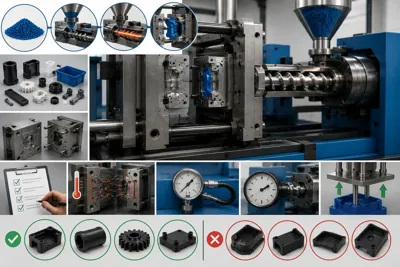
Custom plastic mold manufacturing is the process of transforming conceptual product designs (3D CAD) into functional steel mold cavities using Moldflow plastic flow and thermal cooling simulations. In the mass production phase, servo-hydraulic plastic injection molding machines with clamping forces ranging from 50 to 1200 tons are used, depending on the part geometry. Production processes are optimized according to the crystallization and shrinkage parameters of industrial polymers such as PP, ABS, PC, POM, and PA66, ensuring sustainable part quality according to ISO 20457 dimensional tolerance standards.
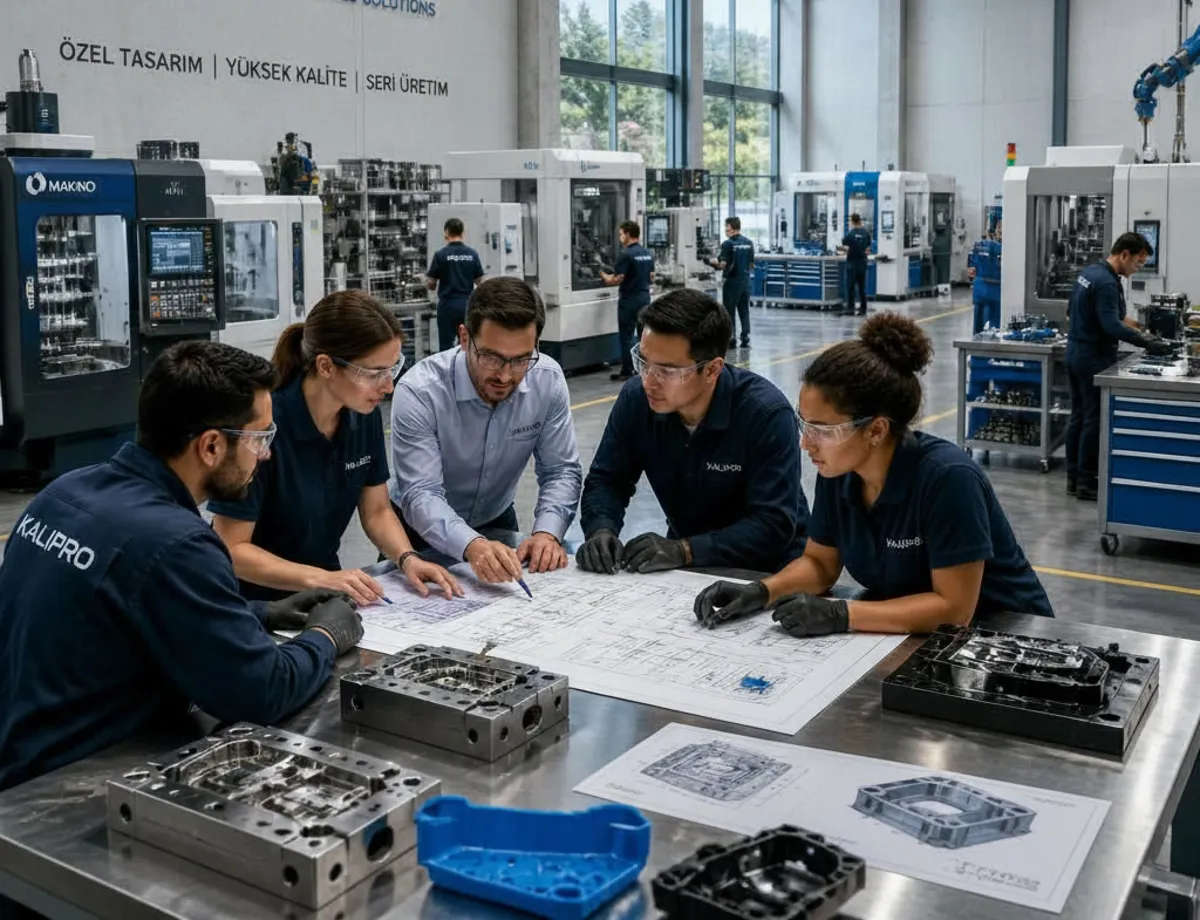
Design Validation (DFM) in Custom Plastic Mold Manufacturing Processes
In the B2B manufacturing ecosystem, the housing of a newly launched industrial device or a functional plastic component of a machine requires a flawless design validation process. Custom plastic mold manufacturing is not merely a conventional machining operation; it is a comprehensive engineering discipline that transforms intellectual property and industrial designs into products ready for mass production. The first and most critical step of this process is DFM (Design for Manufacturing) analysis.
Concurrent Engineering and 3D CAD Design
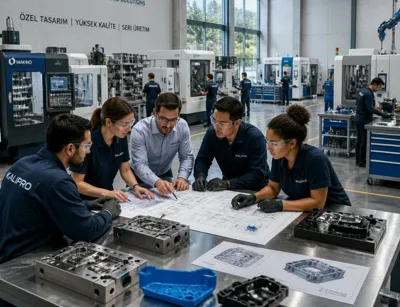
Concept designs prepared by product development (R&D) teams are reviewed by our mold design specialists. In accordance with concurrent engineering principles, draft angle analyses required for smooth part ejection, draft angles typically ranging from 1° to 2°, and rib designs that enhance structural strength are optimized. This stage eliminates costly revisions that may occur during mold manufacturing.
Moldflow Analysis for Defect Prevention
Before steel blocks are machined on CNC vertical machining centers, the plastic injection molding process is simulated in a virtual environment using advanced simulation software. Moldflow analyses allow engineers to identify potential issues such as gate location optimization, weld lines, air traps, and sink marks before manufacturing begins. As a result, mold geometry and runner systems are developed correctly the first time, following the Right First Time production philosophy.
Transition Dynamics from Mold Manufacturing to Mass Production Plastic Molding
Once custom mold manufacturing is completed, the first sample molding stage, known as T1, begins. During this phase, the mold is installed on an injection molding machine with the target clamping force, and trial production runs are conducted. Dimensional measurements of the samples are performed using a 3D CMM (Coordinate Measuring Machine) and compared against the original design data. After necessary precision calibrations and fine mechanical adjustments such as polishing and texture application, the mold is approved for full-capacity mass production plastic component manufacturing (T2/T3 stages).
Polymer Selection Matrix and Correlation with Injection Molding Parameters
The sustainability of mass production and the mechanical performance of components depend on selecting the correct raw material and accurately configuring the thermal and pressure parameters of the injection molding machine:
-
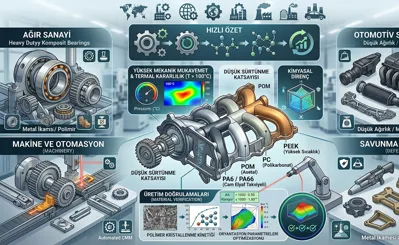
ABS (Acrylonitrile Butadiene Styrene): Offers high impact resistance and excellent surface finish. It is efficiently molded using custom-designed molds for household appliances, automotive interior trim components, and consumer electronics housings.
-
PC (Polycarbonate): Provides exceptional optical transparency and thermal resistance. It requires precise tolerance control in lighting fixtures, lenses, and protective industrial equipment.
-
POM (Polyacetal / Polyoxymethylene): Known as "plastic steel" due to its high dimensional stability, low friction coefficient, and excellent wear resistance. It provides functional solutions for gears, bearings, and fuel system components.
-
PA66 (30% Glass Fiber Reinforced): Delivers outstanding mechanical strength and rigidity. It is a primary material for metal replacement projects in machinery manufacturing and under-the-hood automotive applications.
Integrated Mass Production Management and Production Line Efficiency (OEE)
The on-time delivery of high-volume orders depends on maximizing the OEE (Overall Equipment Effectiveness) of injection molding production lines. Our facility operates an extensive machine fleet ranging from 50-ton to 1,200-ton clamping force capacities, integrated with industrial automation systems and robotic part-handling arms. Optimizing cycle times down to milliseconds reduces unit part costs while providing a direct competitive advantage to our B2B customers.
Turnkey Project Advantages for B2B Procurement Professionals
Outsourcing mold manufacturing to one company and injection molding production to another creates significant operational risks for procurement specialists, R&D managers, and factory directors. In the event of a component defect, the mold manufacturer may blame injection molding parameters, while the injection molding supplier may point to mold manufacturing issues.
kaucukplastikkalip.com provides turnkey plastic injection molding solutions, allowing design, mold manufacturing, sample approval, mass production, quality control, and logistics operations to be managed under one roof with a single point of contact. This integrated approach reduces project time-to-market by at least 35%.
Frequently Asked Questions (FAQ)
What Should the Thickness of a Rib Be in Plastic Part Design?
In plastic part design, rib thickness should not exceed 50% to 60% of the nominal wall thickness. Exceeding this ratio can cause aesthetic defects known as sink marks on the outer surface where the rib intersects with the wall during cooling.
What Does the ISO 20457 Standard Mean in Plastic Part Manufacturing?
ISO 20457 (formerly DIN 16742) is the international geometric validation standard that defines shrinkage allowances and dimensional tolerance limits for injection-molded plastic components based on material characteristics and stiffness.
How Do Mold Cooling Systems Affect Mass Production Costs?
Properly designed conformal cooling channels that follow the geometry of the part distribute heat evenly throughout the mold. This can reduce injection molding cycle times by 20% to 40%. Shorter cycle times lower energy consumption and machine depreciation costs per part, resulting in long-term reductions in total production costs. Transform Your Ideas into Industrial Reality
We provide comprehensive engineering solutions under one roof for your custom plastic mold investments and high-volume mass production projects. Share your 3D CAD files and technical specifications with us to request a detailed DFM analysis and a customized B2B quotation from our expert team.
Recommended for You
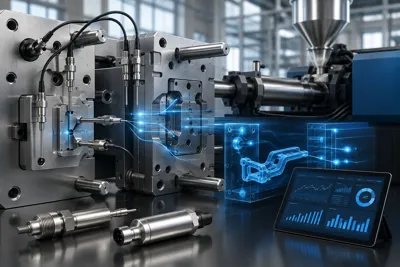
Smart injection with in-mold pressure sensors.
In-mold pressure and temperature sensors are piezoelectric and infrared (IR) based Industry 4.0 devices that measure the dynamic rheological state of the molten polymer in mold cavities in milliseconds. Instead of relying on the hydraulic pressure of the injection molding machine, these systems read the actual plastic pressure directly within the cavity; they dynamically manage the velocity-to-pressure switchover using the Decoupled III methodology. This technology compensates for inter-batch viscosity fluctuations, preventing flash, short shots, and shrinkage marks at the source, and integrates with part sorting robots to ensure 100% part quality classification.